
The Flue Pipe Material Mistake That Can Warp and Collapse Your Entire Venting System
Home /
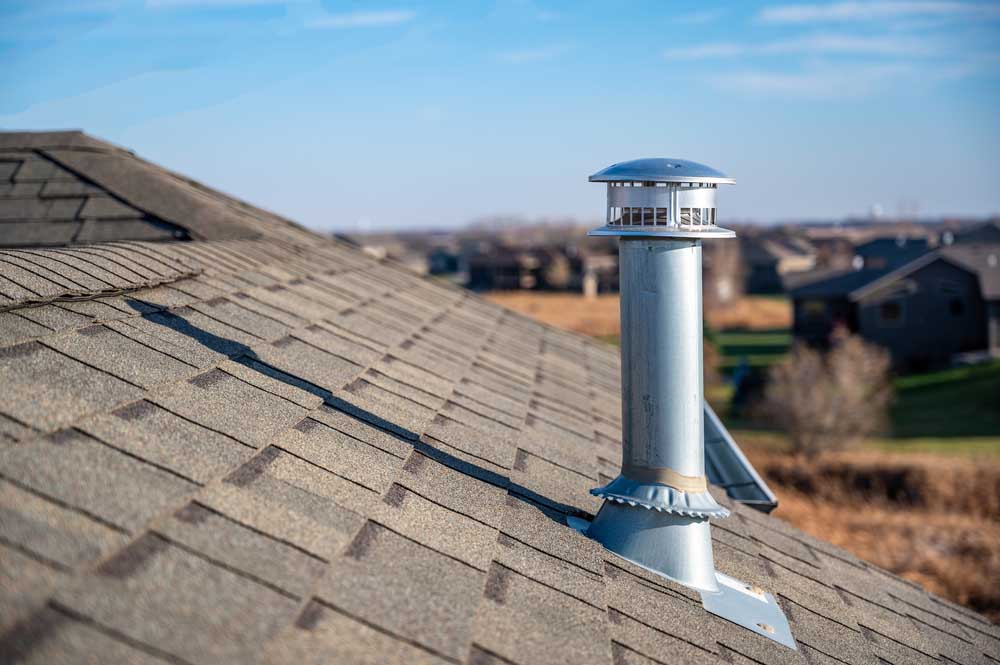
The wrong flue pipe material does not announce itself. It warps quietly until joints separate and combustion gases end up where they should not be. By the time most homeowners notice something is off, the venting system has already been compromised. Still, scheduling prompt HVAC services in Grand Junction, CO as soon as you notice anything off with your furnace is far better than not calling it in at all.
The material running through your venting system is the first place to start.
Not All Pipe Is Created Equal
Three materials come up most often in residential systems: CPVC, PVC, and stainless steel. Each is designed for a specific type of appliance, and the match has to be exact.
- PVC: Rated up to about 140 degrees. Used only on high-efficiency condensing furnaces with an AFUE rating of 90% or above.
- CPVC: Handles up to around 180 to 200 degrees. Also limited to condensing applications, typically where slightly higher exhaust temps are expected.
- Stainless Steel: Required for conventional furnaces with AFUE ratings below 90%, where flue gas temperatures can exceed 400 degrees Fahrenheit. Type B double-wall metal vent also falls in this category for standard mid-efficiency systems.
Installing plastic pipe on a conventional furnace, or using the wrong plastic grade on a condensing unit, puts the entire venting system at risk.
When the Wrong Pipe Meets the Wrong Heat
Standard gas furnaces that are not high-efficiency condensing units produce exhaust temperatures that plastic pipe cannot handle. According to the American Gas Association, using PVC or CPVC on a conventional furnace violates installation standards and creates a genuine safety risk. When plastic venting is exposed to heat beyond its rating, the pipe softens, joints separate, and combustion byproducts including carbon monoxide can leak into living spaces.
If your system needs furnace repair, your home may already be giving you signals. Watch for:
- Burning or chemical smell near vents
- Visible sagging or discoloration on exposed flue sections
- Moisture stains around vent connections
- Carbon monoxide detector triggering without an obvious cause
These are the kind of things a technician picks up during routine heating/AC services that most homeowners would never catch on their own.
FAQ
Can I replace flue pipe myself?
Flue pipe work involves code compliance and material matching that varies by appliance and local code. An improper repair can void your warranty.
Is white PVC ever acceptable?
Only on certified condensing appliances where the manufacturer explicitly approves it, with the correct primer and solvent cement.
How long does stainless steel liner last?
According to the Chimney Safety Institute of America, a properly installed stainless liner can last 15 to 20 years with regular maintenance.
Call the Team That Gets It Right
If you are not sure whether your flue pipe material matches your system, that is not a guess worth making. Pride Plumbing Heating And Cooling is locally owned, licensed, insured, and backs every job with a satisfaction guarantee. Pricing is upfront with no hidden fees, and financing is available through the EASE Comfort Program.
Call us today and we will check your venting system before it becomes a problem.
plumbing
hvac
call us now!
call us now!
CONTACT THE PRIDE PLUMBING HEATING AND COOLING TEAM TODAY
End your hunt for a trusted and dependable plumber in Grand Junction, CO, or nearby areas with Pride Plumbing Heating and Cooling. Call us today at (815) 569-5291 or fill out our online form to schedule an appointment.