We value your privacy
We use cookies to enhance your browsing experience, serve personalized ads or content, and analyze our traffic. By clicking "Accept All", you consent to our use of cookies.
Customize Consent Preferences
We use cookies to help you navigate efficiently and perform certain functions. You will find detailed information about all cookies under each consent category below.
The cookies that are categorized as "Necessary" are stored on your browser as they are essential for enabling the basic functionalities of the site. ...
Always Active
Necessary cookies are required to enable the basic features of this site, such as providing secure log-in or adjusting your consent preferences. These cookies do not store any personally identifiable data.
No cookies to display.
Functional cookies help perform certain functionalities like sharing the content of the website on social media platforms, collecting feedback, and other third-party features.
No cookies to display.
Analytical cookies are used to understand how visitors interact with the website. These cookies help provide information on metrics such as the number of visitors, bounce rate, traffic source, etc.
No cookies to display.
Performance cookies are used to understand and analyze the key performance indexes of the website which helps in delivering a better user experience for the visitors.
No cookies to display.
Advertisement cookies are used to provide visitors with customized advertisements based on the pages you visited previously and to analyze the effectiveness of the ad campaigns.
No cookies to display.
Skip to content
How to Maintain Your Grease Trap
Home / How to Maintain Your Grease Trap
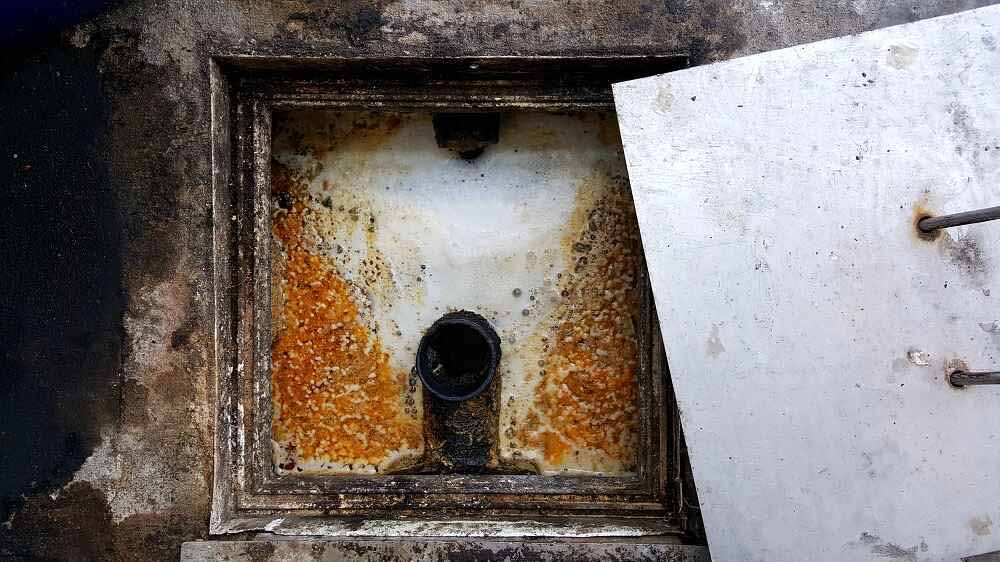
A grease trap is an essential part of your plumbing system, particularly in kitchens, where grease, fats, and oils are commonly disposed of. If you need a plumber in Fruita, CO, Pride Plumbing Heating Cooling is your go-to expert. Regular maintenance of your grease trap is vital to keeping your kitchen plumbing running smoothly. In this guide, we’ll walk you through the steps of maintaining your grease trap and why it’s so important for the long-term health of your plumbing system.
What Is a Grease Trap?
A grease trap is a plumbing device that captures fats, oils, and grease (FOG) from wastewater before it enters the sewer system. It’s typically installed in commercial kitchens, but it can also be beneficial in residential kitchens. Over time, grease and other debris can build up in the trap, reducing its efficiency and potentially causing blockages in your kitchen plumbing. This is why regular maintenance is crucial.
Why Regular Maintenance Is Important
Without regular cleaning, a grease trap can become clogged, leading to serious problems like unpleasant odors, slow drainage, or even back up into your kitchen. In the worst cases, the grease trap can fail, resulting in major problems that require the immediate attention of a plumber. Regular maintenance helps prevent these issues and keeps your system running efficiently.
Steps to Maintain Your Grease Trap
1. Check for Signs of Clogging
The first step in maintaining your grease trap is to regularly check for any signs of clogging. Look out for slow drains in the kitchen sink, unpleasant smells, or water backing up into the sink. These are all signs that your grease trap may need attention.
2. Clean the Grease Trap Regularly
How often you clean your grease trap depends on its size and how much grease and oil it collects. In general, grease traps should be cleaned every 1 to 3 months. You can do this yourself, but it’s often best to hire a professional plumber for thorough cleaning. They will empty the trap and remove any grease buildup to prevent blockages in your kitchen plumbing.
3. Use the Right Cleaning Materials
When cleaning the grease trap, do not use harsh chemicals that could damage the system. Instead, use natural cleaners or degreasers that are safe for plumbing systems. If you’re unsure, a plumbing company can advise you on the best products to use.
4. Inspect for Damage
While cleaning the grease trap, it’s also a good idea to inspect it for any signs of damage or wear. If you notice any cracks, leaks, or signs of deterioration, it may be time for a plumbing repair. A damaged grease trap can lead to bigger plumbing issues down the line, so addressing problems early is essential.
5. Prevent Grease from Going Down the Drain
The best way to maintain your grease trap is to prevent grease from entering the system in the first place. Avoid pouring fats, oils, or grease down the sink. Instead, collect it in a container and dispose of it in the trash. This simple habit can significantly reduce the strain on your grease trap and keep your residential plumbing in good shape.
Call a Professional for Help
While routine maintenance is something you can handle yourself, there are times when you’ll need a professional. If you’re experiencing persistent issues with your grease trap or if you haven’t cleaned it in a while, it’s best to call an expert plumber. Pride Plumbing Heating Cooling is here to help with all your bathroom plumbing and kitchen plumbing needs, providing expert service and plumbing repairs when necessary.
Proper maintenance of your grease trap is essential to keeping your kitchen plumbing in optimal condition and preventing urgent plumbing issues. For more advice or professional plumbing repairs, contact Pride Plumbing Heating Cooling, the trusted plumbing company in Fruita, CO. We also offer plumbing services, so don’t hesitate to call us at any time.
CONTACT THE PRIDE PLUMBING HEATING AND COOLING TEAM TODAY
End your hunt for a trusted and dependable plumber in Grand Junction, CO, or nearby areas with Pride Plumbing Heating and Cooling. Call us today at (970) 512-5960 or fill out our online form to schedule an appointment.
Scroll To Top