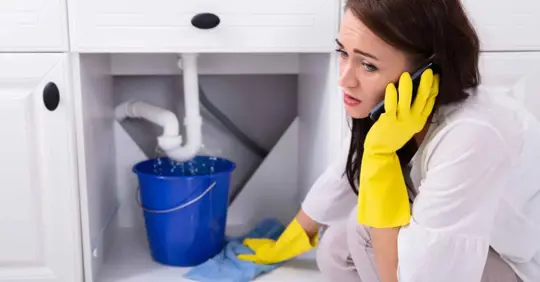
A sudden water leak, a backed-up drain, or a furnace that stops working on a cold evening can feel overwhelming. When essential home systems pause, it is natural to feel stressed about potential property damage or household discomfort. The good news is that taking a few clear, manageable steps right away helps protect your space and prevents small issues from becoming larger problems.
Knowing how your home operates gives you control during an unexpected event. By learning where your main shut-off valves are located, how to handle fuel controls safely, and how to protect your living area, you can navigate any situation with confidence.
Need immediate assistance with a sudden utility emergency? Reach out to our compassionate team right away through our online contact form or call us directly at (970) 512-5960. We are ready to help guide you through the next steps and get your home back to normal fast.
Step 1: Taking Immediate Action for Plumbing Emergencies
Water moves quickly, so stopping active leaks is your top priority during a plumbing disruption. Whether a pipe cracks from temperature shifts or a supply line loosens under a sink, turning off the water supply stops the flow before it can affect your flooring or walls.
Every fixture in your home—including toilets, bathroom sinks, kitchen faucets, and washing machines—has an individual shut-off valve nearby. These are usually small, oval-shaped handles located on the wall directly behind or beneath the fixture. Turning these handles clockwise (to the right) shuts off the water supply to that specific unit without disturbing the rest of the house.
If you are dealing with a widespread leak, a main line issue, or cannot find the individual fixture valve, you will need to turn off your home's main water supply.
- Locate the main water valve: It's typically in the basement, crawl space, utility room, or near the water meter outside your house.
- Identify the valve type: Gate valves use a round wheel handle that turns clockwise to close. Ball valves feature a straight lever handle; turn the lever so it sits perpendicular (at a right angle) to the pipe to completely stop water flow.
- Open lower faucets: After turning off the main valve, open an outdoor hose spigot or a basement sink faucet to drain any remaining water sitting in the pipes.
Taking these steps quickly limits standing water and gives you a stable baseline while you prepare for emergency plumbing support.
Step 2: Managing Heating Outages and Fuel Valves Safely
When your home loses heat during a cold snap, staying calm and prioritizing safety helps keep your environment secure. Heating systems rely on electrical connections, mechanical blowers, and fuel lines working together seamlessly.
Before checking anything complex, verify your thermostat settings. Ensure it is set to "Heat" mode and configured a few degrees above the current indoor temperature. Check your central electrical panel to confirm that the circuit breaker for your furnace or heat pump has not tripped into the "Off" position.
If your heating system uses natural gas or propane and you smell a strong odor similar to rotten eggs, exit the building immediately. Do not flip electrical switches, light switches, or try to locate the source yourself.
- Leave the area right away: Move all household members and pets outdoors or to a safe, neutral space.
- Shut off the fuel supply if safe: If the main gas valve is easily accessible outside or near the unit and you can turn it without delay, shut it off by turning the lever perpendicular to the pipe. Never delay leaving a building if the gas odor is strong.
- Call for professional support: Contact your gas utility provider or emergency services from a safe location outside the property.
If there are no gas odors but your equipment simply stops producing warm air, keeping windows and exterior doors closed traps existing heat inside your living spaces. Reassuring your household and keeping room doors closed will help maintain a comfortable indoor temperature while you reach out for emergency HVAC assistance.
Step 3: Protecting Your Property Until Help Arrives
Once active water flows are stopped or the heating system is safely powered down, turn your attention to protecting your personal belongings and structural materials. Prompt cleanup minimizes moisture absorption in drywall, wood trim, and carpeting.
Simple containment steps go a long way toward keeping your home clean and manageable while you wait for a professional technician.
- Contain residual moisture: Place plastic buckets, deep baking sheets, or storage tubs under active drips. Lay thick bath towels around the base of affected cabinets or appliances to absorb moisture.
- Elevate sensitive items: Lift rugs, boxes, furniture legs, and electrical cords off wet flooring. Place small wooden blocks or foil beneath furniture legs to prevent wood stains from bleeding into wet carpets.
- Promote air circulation: If electrical outlets are completely dry and safe to use, turn on ceiling fans or portable box fans to keep air moving across damp surfaces.
Documenting the situation with a few quick photos on your phone is also a helpful practice for home insurance records or system history logs.
Step 4: Maintaining Your Essential Household Systems Year-Round
Understanding your home's setup before an issue occurs is the best way to ensure smooth responses in the future. Spending a few minutes today identifying valve locations and labeling key controls builds long-term confidence for every member of your household.
Preventative care keeps both your heating and plumbing systems operating smoothly year-round. Scheduling periodic inspections allows trained professionals to spot minor wear—such as aging supply hoses, slow-drain buildup, or dirty furnace filters—long before they cause a sudden service interruption.
- Label your shut-off valves: Use bright tags to mark your main water valve, gas shut-off lever, and main electrical breaker box so anyone in the house can find them in an emergency.
- Test individual fixture valves annually: Gently turn under-sink and toilet shut-off valves clockwise and counterclockwise once a year to ensure they do not seize up over time.
- Replace aging supply lines: Swap out flexible plastic appliance hoses with durable, braided stainless-steel water supply lines for washing machines and ice makers.
- Schedule seasonal tune-ups: Have your heating system inspected every autumn to verify safety controls, clean burner assemblies, and ensure reliable operation.
Taking a proactive approach to home care turns potentially stressful moments into simple, manageable tasks.
Partner With Pride Plumbing, Heating & Cooling for Dependable Home Comfort
When home systems act up, you do not have to figure things out alone. Pride Plumbing, Heating & Cooling is committed to providing prompt, professional, and compassionate support for families throughout Western Colorado. Whether you need help diagnosing a sudden plumbing issue, restoring reliable heat, or simply establishing a preventative maintenance routine for your property, our experienced technicians are always ready to serve you with clear explanations and honest care.
Don't let an unexpected home disruption throw off your peace of mind. Contact the friendly team at Pride Plumbing, Heating & Cooling today by submitting a request through our online contact form or calling us directly at (970) 512-5960. We are here to keep your home safe, efficient, and comfortable year-round!